
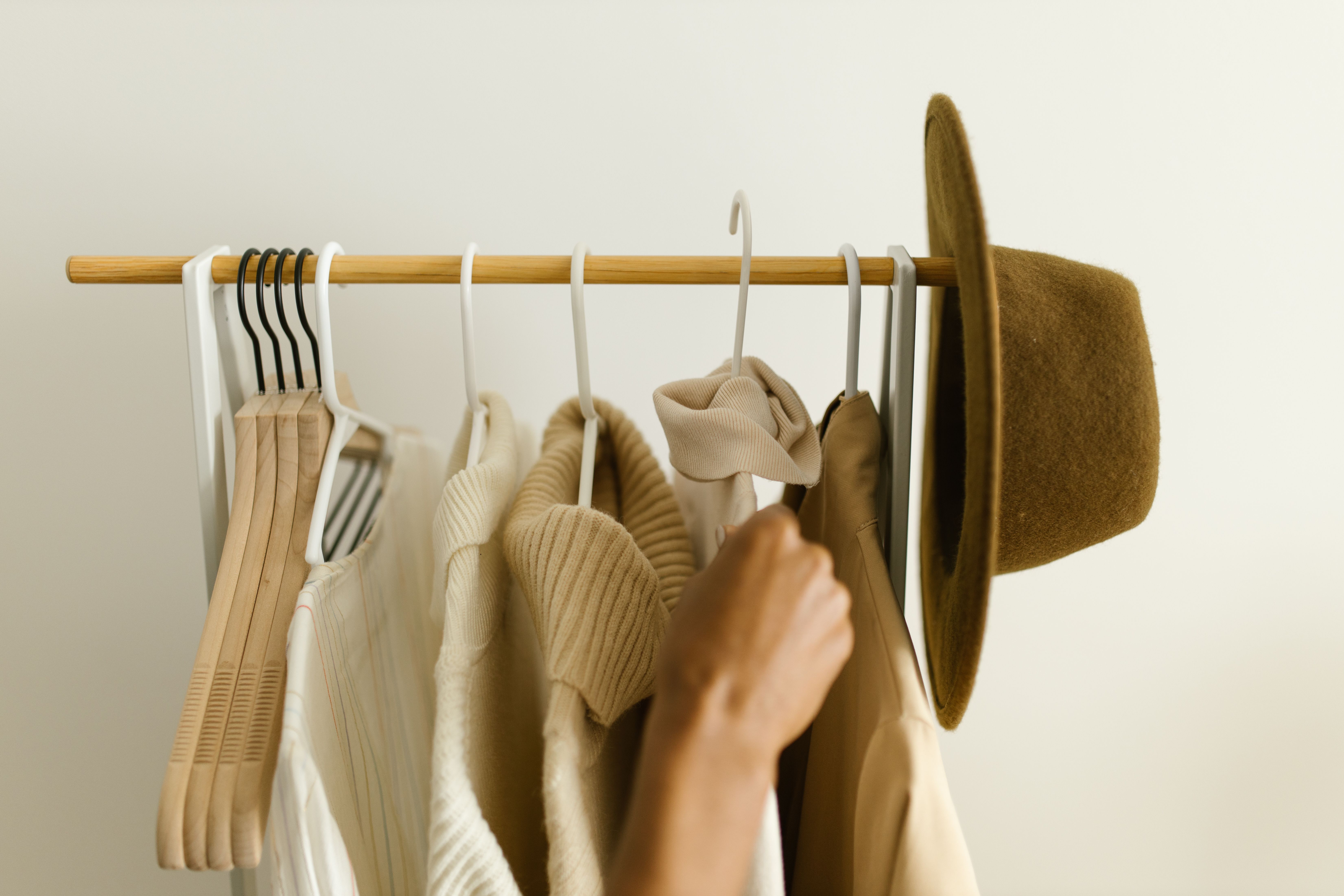
How to Find the Colors That Make Your Wardrobe Work Better Together
The best colors for your wardrobe are colors you enjoy wearing, feel comfortable in, and can combine with the clothing you already use. Start by studying successful outfits, identifying a few dependable base colors, and testing additional shades alongside them. A useful palette makes your wardrobe easier to wear while leaving room for personal expression.
Finding flattering colors and building a coordinated wardrobe are related tasks, but they answer different questions. One explores how a color looks near your face; the other explores how colors work across your clothing and accessories. You can make progress with both without replacing everything you own or assigning yourself a seasonal color category.
Begin with the colors you actually wear
Pull out several favorite garments and look at them together in consistent natural light. Include a complete outfit you enjoy wearing. Notice repeated colors, the depth of those colors, and the kinds of combinations you choose willingly.
Then compare those favorites with colors that remain unworn. Ask what makes the difference. A shade may be appealing on its own but difficult to combine. Another may work beautifully with your clothes while feeling too bold for your everyday preferences. Understanding the reason helps you decide whether to experiment with the color or stop buying it.
Avoid treating the most common color in your closet as an automatic favorite. You may own a great deal of black because it has been easy to find or has felt like a safe choice. Keep it if you enjoy it, and allow yourself to investigate alternatives if it no longer suits the look you want.
Choose base colors from your existing wardrobe
Base colors provide repeated starting points for outfits. They often appear in pants, skirts, jackets, footwear, and bags. Black, navy, gray, brown, cream, and denim blues can all fill that role, depending on your clothing and preferences.
Start with a small number that already works for you rather than buying an entirely new foundation. If navy pants and dark denim are reliable favorites, use them to test your tops and layers. If you prefer camel and chocolate brown, build from those instead.
Your base colors do not all need to be conventionally neutral. A woman who regularly wears olive may find it functions as a dependable base. What matters is its usefulness across her wardrobe, not whether it appears on someone else's list of essentials.
Find accent colors with more than one useful connection
Accent colors add variety and expression. Look for shades you can wear with several existing pieces, or colors that appear in a print you already enjoy. A patterned blouse or scarf can offer a starting point for combinations without requiring every garment to match exactly.
For example, a wardrobe built around navy and cream might accommodate soft pink, sage, or burgundy. A wardrobe centered on camel and brown might connect with ivory, olive, or terracotta. These are examples to test, not prescriptions. The exact shade, fabric, and your own preferences affect whether you enjoy the result.
Begin with one or two possible additions. Place them beside the clothing they need to work with, then try the complete outfit. A color that looks attractive in a small swatch may feel different when it becomes an entire jacket or dress.
Pay attention to depth and intensity
Colors can be light or dark, muted or vivid. Those qualities often explain why two shades with the same general name behave differently in an outfit. A dusty rose top and a vivid fuchsia top are both pink, yet they create very different effects beside charcoal trousers.
Look at the overall relationship you prefer. You might enjoy strong contrast between a light top and dark pants, or prefer colors closer in depth for a quieter look. Try both using what you own. You are learning which combinations feel intentional to you, rather than trying to obey one universal rule.
Fabric influences the effect too. The same apparent color can look different in a shiny satin and a matte knit. Evaluate garments together when possible, especially when trying to coordinate pieces purchased at different times.
Explore the colors you like near your face
Hold two tops or scarves near your face in similar light and compare your response. Keep the background and lighting consistent, and avoid making a judgment from one heavily filtered photograph. Ask which color you enjoy seeing on yourself and whether one creates the overall effect you prefer.
These comparisons can reveal preferences, but they do not amount to a definitive seasonal analysis. A professional color consultation can provide a more structured exploration if you want it. Treat any palette you receive as guidance you can apply thoughtfully to the wardrobe and preferences you already have.
If you love a color but prefer it away from your face, try it in pants, shoes, or a bag. You can also experiment with a neckline or layer that changes how much of the color sits near your face. There is no need to discard a favorite solely because it falls outside a suggested palette.
Build and photograph a few combinations
Choose one dependable bottom and try several tops with it. Add the shoes and layers you would actually wear. Repeat with a second bottom in another base color. You will begin to see which colors connect easily and which garments require more effort.
Save photos of combinations you like and note the pieces involved. This creates a practical reference for getting dressed and shopping. If the difficulty extends beyond color into shape or overall direction, How to Rediscover Your Personal Style When Your Life Has Changed can help you explore those preferences together.
Address disconnected colors gradually
An isolated garment deserves a test before you buy a partner for it. Try it with your existing base colors and accessories. If you still cannot create an outfit you want to wear, decide whether that garment matters enough to justify an addition.
One useful connecting piece may unlock several outfits. But buying multiple items to rescue a single unworn purchase can move your wardrobe further away from your everyday needs. How to Identify Wardrobe Gaps Before You Go Shopping helps you evaluate that difference.
Use your palette as a practical reference
Keep a short note or a few outfit photos showing your reliable colors and combinations. Use them when evaluating a purchase, while remembering that screen colors may differ from the actual fabric. Prioritize how the garment looks with your clothing and how you feel wearing it.
Revisit the palette as your preferences, hair color, activities, or wardrobe change. It should remain useful rather than become another set of restrictions. How to Build a Wardrobe That Works for Your Life Today connects these color decisions with the larger task of creating enough suitable outfits.
For help exploring your own combinations, Explore Color Confidence Resources in the You Have Arrived! Closet Confidence Resource Library™. Start with one outfit you already love and investigate what makes its colors work for you.