
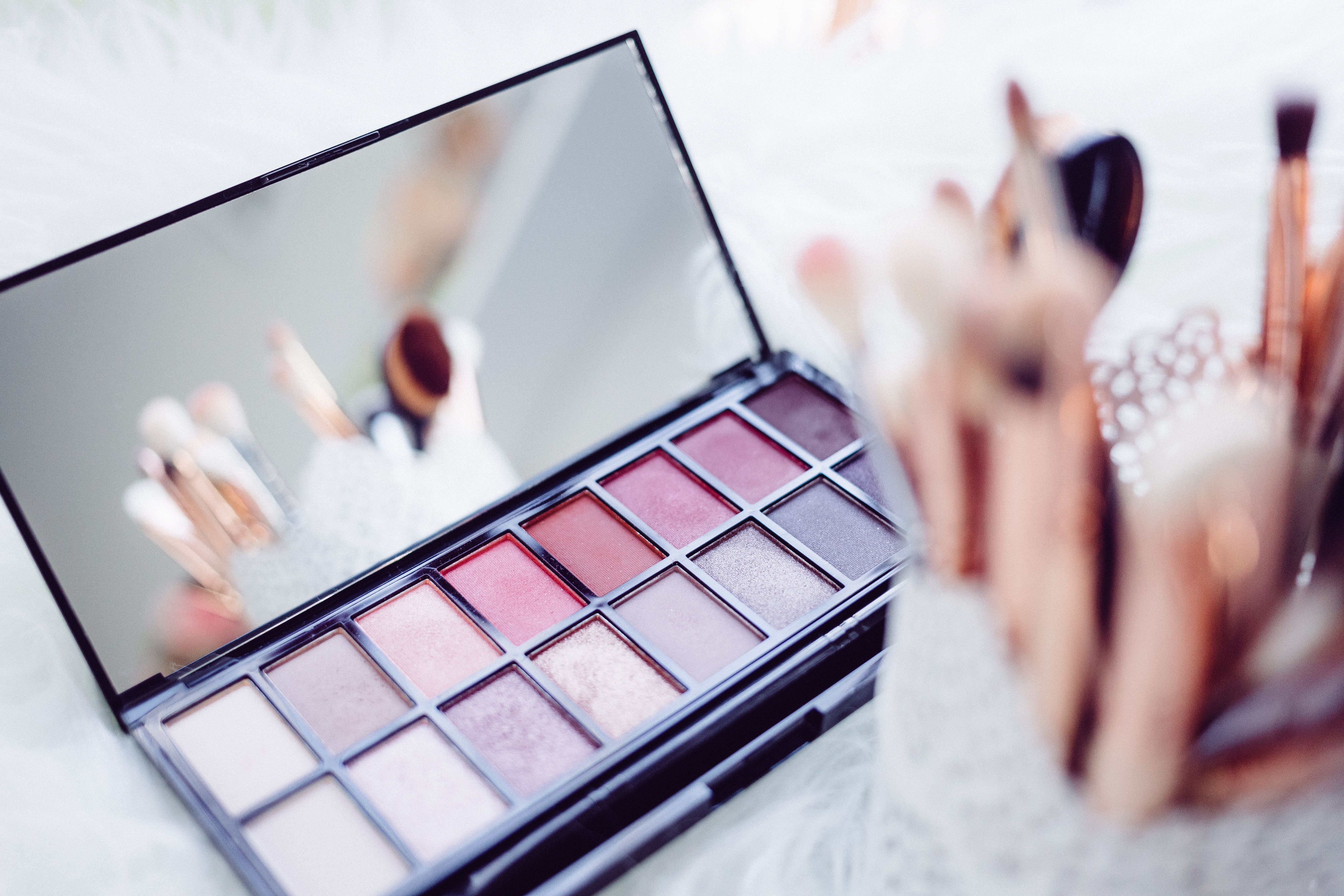
How to Simplify Your Makeup and Beauty Routine Without Starting Over
To simplify your makeup routine, identify the products and steps you actually use, remove unsuitable or deteriorated products, and give your everyday essentials an easy-to-reach home. Keep a short routine for ordinary days and add optional steps when you want them. Begin with what already works before deciding that you need new products.
A crowded makeup bag can make a familiar routine feel surprisingly complicated. You may be sorting through duplicate lip colors, looking for a brush, or choosing among products you no longer enjoy. Simplifying starts with understanding which decisions are useful and which are simply repeated clutter.
Define what an everyday routine needs to do
Consider the mornings you usually have. How much time do you want to spend, and what result feels comfortable to you? You might enjoy a little definition around the eyes and a favorite lip color. You might prefer fuller makeup, or very little at all.
Choose a realistic level of effort for ordinary days. A routine that depends on uninterrupted time you rarely have is difficult to sustain. Give yourself a shorter option for busy mornings and a more detailed option for occasions when you enjoy the process.
Your preferences may have changed along with your wardrobe or lifestyle. If your familiar look feels out of step with the way you want to present yourself now, How to Rediscover Your Personal Style When Your Life Has Changed can help you consider the broader direction.
Gather products before buying storage
Bring together the products from your vanity, bathroom drawers, handbags, and travel bags. Group similar items so you can see what you have. You may find that the product you thought was missing already exists in another location, or that several almost-identical items are competing for daily space.
Separate the products you regularly use from occasional choices, unopened backups, and items you no longer want. Include the tools required to use them. An everyday product is less convenient when the brush or sharpener it needs is stored somewhere else.
Avoid purchasing a larger organizer until you have made these decisions. A container should support the collection you intend to use, with enough visibility to keep it understandable.
Check condition and product guidance
Review labels, any expiration dates, opening dates you have recorded, and the manufacturer's guidance. Shelf life varies by product, use, and storage; the FDA notes that eye-area cosmetics tend to have shorter shelf lives than other products. Do not assume that every cosmetic follows the same replacement schedule or that an unchanged appearance proves it is still suitable to use. (FDA shelf life guidance)
The FDA advises discarding cosmetics with changes in color or smell, keeping containers clean and closed, and avoiding shared makeup. Follow labeled directions about where a product may be used, especially around the eyes. If a cosmetic causes an unexpected reaction, stop using it and contact a healthcare provider. (FDA safe use guidance)
Letting go of a deteriorated or unsuitable product is part of making the routine usable. Its original price is not a reason to continue applying something that no longer belongs in your daily collection.
Identify the steps you value most
Use your current products to get ready as you normally would, paying attention to the steps you would choose even if you were short on time. Those steps reveal your priorities. You may care most about evening the appearance of your complexion, defining your brows, or adding lip color.
Build the shorter routine around those preferences. One possible version is a familiar complexion product where desired, a brow or eye step, and a lip product. That is an example, not a required formula. Keep the steps that contribute to the result you want and leave room for your own level of coverage and expression.
Keep skincare separate in your planning so you do not confuse reducing makeup steps with changing treatment or care instructions. Continue products as directed, and discuss changes to prescribed routines with the relevant healthcare professional.
Test the routine before replacing products
Try the shorter sequence through several ordinary mornings. Notice what you miss and what you are relieved to skip. If a product takes too much effort, identify why. The problem might be a difficult applicator, a shade you keep trying to correct, or storage that makes the product hard to find.
Change one part at a time so you can tell what actually improves the experience. A different arrangement or a refreshed application technique may solve the problem. If a product truly no longer suits your preferences, define what you want its replacement to do before shopping.
You do not need to abandon an enjoyable makeup step just because it is optional. A simple routine can still include a favorite lipstick or a little extra time spent on an effect you like. The useful question is whether that step earns its effort for you.
Create a convenient everyday setup
Keep your everyday products and tools together in a small bag, tray, or drawer section suited to your space. Make them visible and easy to return. Store occasional products separately so they remain available without complicating each morning.
Follow product storage instructions and avoid locations exposed to unsuitable heat or moisture. Keep labels readable and resist decanting everything for appearance alone. A coordinated vanity is less helpful if you lose the directions or cannot tell which product is which.
Choose a practical place for tools awaiting cleaning and follow their care instructions. If you travel often, decide whether a small separate kit is useful or whether transferring your everyday essentials is easier. Use whichever arrangement you can keep current without accumulating forgotten products.
Make replacement shopping more deliberate
Before buying a new product, check whether you are replacing something used up, solving a specific problem, or simply interested in experimenting. Each is a different decision. Keep experimentation within an amount of space and spending you are comfortable with.
Be selective about backups. A product you finish consistently may justify one, while a collection of barely used alternatives probably does not. Note opening dates where helpful and use manufacturer guidance to manage the items you keep.
The same pattern can appear in beauty and clothing: buying a new option before understanding why the current ones go unused. How to Stop Buying Clothes You Never Wear explores a decision process you can adapt to beauty purchases as well.
Review what supports your routine
After a few weeks, check whether your everyday setup contains products you consistently choose. Move occasional items out of the daily area, remove products that no longer belong, and adjust anything that makes putting things away difficult.
Your routine can be polished, expressive, or minimal while still being manageable. Explore Makeup + Beauty Resources in the You Have Arrived! Closet Confidence Resource Library™ for support with reviewing your collection, organizing your space, and shaping an everyday routine you enjoy using.