
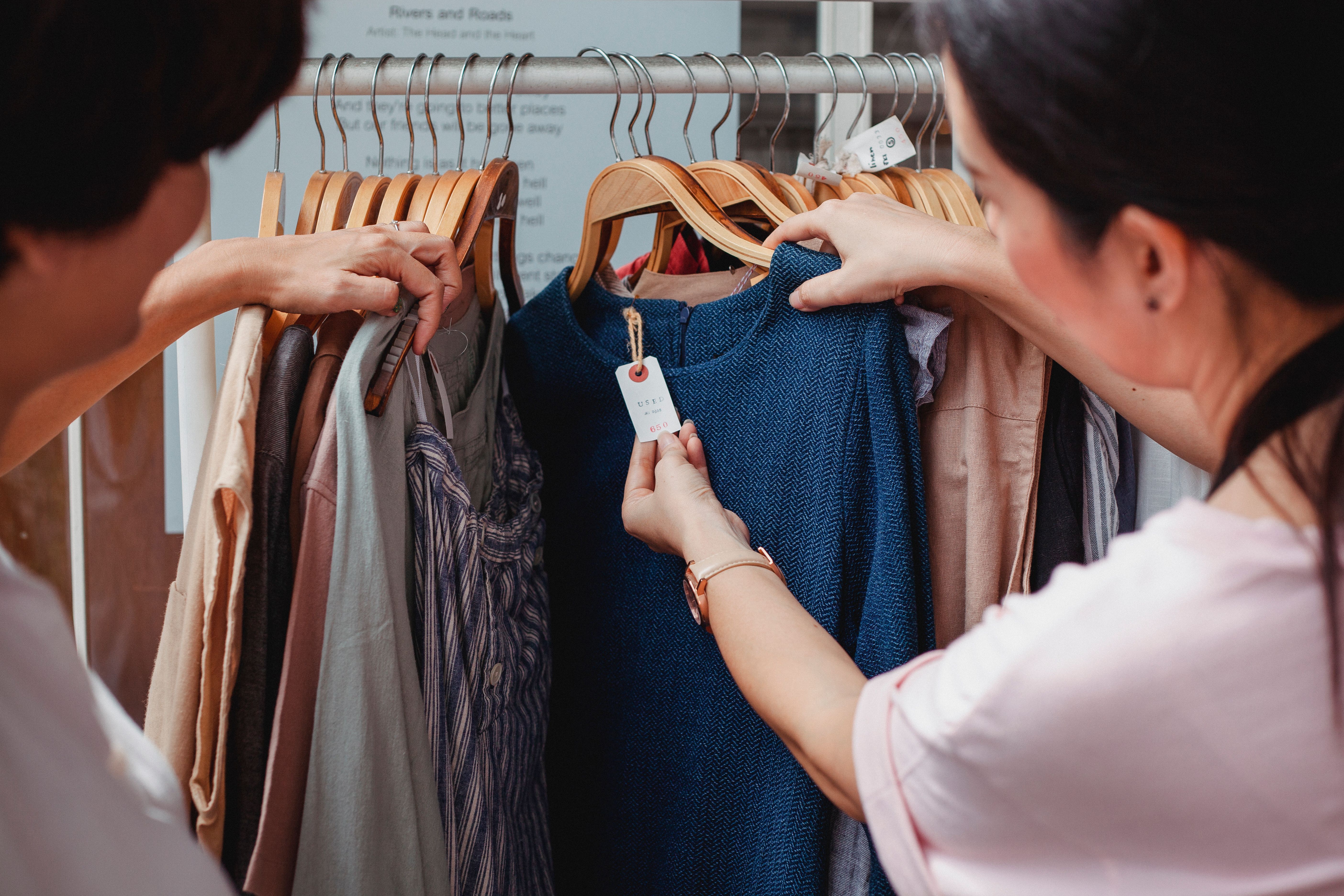
How to Stop Buying Clothes You Never Wear
To stop buying clothes you never wear, study the reasons behind your unworn purchases, identify the needs your wardrobe actually has, and test new items with complete outfits before committing to them. A short pause between wanting and buying can give you time to check fit, comfort, compatibility, and practical use.
An unworn purchase often seemed reasonable in the moment. The color was beautiful, the price was persuasive, or the item suggested a version of life you wanted to enjoy. Looking at that decision with curiosity gives you something useful to change. Guilt usually leaves you with the same crowded closet and less confidence in your judgment.
Look for patterns in your unworn clothes
Choose a few purchases you rarely or never wear. For each one, write down what appealed to you when you bought it and what stopped you from using it. Be specific. “Wrong for me” gives you little to work with; “the neckline needs constant adjusting” gives you a criterion for your next purchase.
Watch for repeated patterns across items. Perhaps you like structured clothing in photographs but find it uncomfortable. Perhaps you keep buying dressy pieces for a social calendar that is mostly casual. Or perhaps you purchase another familiar top whenever shopping for the pants you actually need becomes frustrating.
Keep these observations somewhere you can consult while shopping. They can become a personal filter: avoid this fabric, check this seam, try sitting down, or confirm that the item works with shoes you can comfortably wear.
Separate the appeal of the item from its role in your life
You can admire a garment without needing to own it. Before purchasing, identify a realistic situation in which you would choose it over something already in your closet. A specific occasion or recurring need is more useful than a vague hope that your lifestyle will eventually make room for it.
Enjoyment is also a valid reason to buy something. An expressive piece does not need to be a practical basic to have value. Give it an honest role, a budget you are comfortable with, and a way to wear it. That keeps pleasure in the process while making the decision more deliberate.
Check what you already own
Before shopping, look at the relevant category in your closet. Count only as much as helps you understand the situation. You might discover three similar jackets, none of which works with your usual bottoms. Another jacket in the same shape is unlikely to resolve that problem.
Photograph useful outfits and the pieces you need to coordinate. Keep a short wardrobe note on your phone if remembering details in a store is difficult. When your closet is so crowded that you cannot see what you own, How to Decide What Clothes to Get Rid Of Without Regretting It can help you make the collection easier to assess.
Shop from a need you can describe
Replace broad shopping goals with a clear description. “Something for fall” leaves almost everything eligible. “A washable layer that fits over my everyday tops and works with my two most-worn pants” narrows the search in a useful way.
The description should include the circumstances that matter to you: weather, movement, care, fit, and compatibility. It can include a preferred color or budget as well. How to Identify Wardrobe Gaps Before You Go Shopping helps turn a recurring outfit difficulty into this kind of focused brief.
Give yourself time outside the selling moment
For nonessential purchases, choose a pause that suits your habits. You might wait until the next day, revisit your wardrobe first, or leave the item on a wish list until you can describe how you would wear it. The purpose is to create room for a decision after the initial excitement has settled.
Reduce the prompts that make that pause difficult. Unsubscribe from promotional emails you do not find useful, turn off shopping notifications, or browse with a defined list. A sale deadline is information about the retailer's promotion; it does not tell you whether the garment meets your needs.
Test fit and movement honestly
Try on the item with attention to how you will use it. Sit, walk, reach, and check whether the garment stays comfortable. Notice whether you are making excuses for something that bothered you immediately. A waistband you already dislike is unlikely to become your favorite simply because the price is appealing.
Consider alterations only when you are willing to arrange them and understand what is feasible. Include their cost in your decision. Check care instructions too. If a garment needs a routine you consistently avoid, that is a practical mismatch worth recognizing before it joins your closet.
Test the complete outfit at home
When a purchase has an applicable return option, try it with your own clothing while preserving its returnable condition and following the seller's policy. Check the actual return deadline rather than assuming every store offers the same terms. Keep the receipt and packaging until you have made your decision.
For an everyday piece, try two or three combinations if that is a useful test for you. A special-occasion item may need only one excellent outfit and a clear purpose. The question is whether the purchase makes sense within your wardrobe, not whether every garment can meet an arbitrary number of combinations.
An item that requires another top, new shoes, and a different bag creates a larger commitment than its price tag suggests. Consider the full commitment before deciding to keep it.
Resolve disappointing purchases promptly
Choose a regular moment to handle returns, alterations, and decisions about new clothing. Keep pending purchases separate from your established wardrobe so they do not disappear into it. Set a reminder early enough to complete any return within the actual terms.
If an older purchase can no longer be returned, take what you can learn from it and decide its next destination. You do not need to repeatedly try to justify the original choice by continuing to store something you know you will not wear.
Measure progress by better use
Success can look like wearing a recent purchase repeatedly, walking away from a familiar mistake, or discovering that you already own what you need. Notice those changes instead of measuring progress only by how little you buy.
If your closet still feels full and unhelpful, Why You Still Have Nothing to Wear Even Though Your Closet Is Full can help you identify the underlying mismatch. For a longer-term plan, How to Build a Wardrobe That Works for Your Life Today connects individual purchases to the wardrobe they need to support.
Before your next shopping trip, choose one habit to practice: review your unworn clothing, describe a specific need, or test a purchase with existing outfits. Explore Intentional Shopping Resources in the You Have Arrived! Closet Confidence Resource Library™ for support in making purchases you are more likely to enjoy wearing.